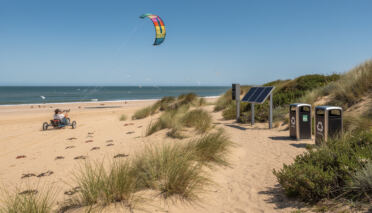
Traction kites are becoming increasingly popular among enthusiasts of various outdoor activities, enabling thrilling experiences on land and water. These powerful kites harness wind energy to generate force, pulling riders in exhilarating ways. However, a common question arises among users: How long do traction kites typically last? The answer isn’t straightforward and can vary significantly based on multiple factors, including usage frequency, maintenance habits, weather conditions, and the quality of materials used in the kite’s construction.
This article delves into the longevity of traction kites, providing insights into their expected lifespan and key factors influencing durability. It will explore maintenance practices, signs of wear and tear, and considerations for repairs or replacements. Whether you’re a novice looking to invest in your first traction kite or an experienced rider wanting to extend the life of your gear, understanding these aspects is vital for optimizing your kite experience.
Understanding the Lifespan of Traction Kites
The lifespan of traction kites can vary widely, with estimates ranging from a single season to several years, depending largely on the factors previously mentioned. One crucial factor is kite usage frequency. Kites used daily or multiple times a week may experience more wear and tear than those brought out only on special occasions. Regular use exposes the fabric and lines to environmental elements, which can lead to degradation over time.
Another significant factor is kite material quality. High-quality materials, such as ripstop nylon or polyester, are typically used in the construction of traction kites to enhance durability and weather resistance. These materials can withstand harsh conditions better than lower-quality options, contributing to a longer lifespan. For instance, a kite made from premium materials may last up to 5 years, while a budget-friendly option might need replacement within the first 1-2 years.
Additionally, the conditions under which the kite is used play a crucial role. Traction kites are often flown in challenging weather, including gusty winds and rough terrains, which can increase the likelihood of damage. Regular exposure to UV rays can weaken the fabric, while saltwater or sand can also affect the integrity of the materials. Therefore, understanding how environmental factors affect your kite is critical for maintaining its longevity.
Maintenance Practices for Extending Kite Lifespan
Proper maintenance is essential for maximising the lifespan of traction kites. Riders should develop a routine to check their kites before and after each use. This includes inspecting the fabric for any holes, tears, or signs of wear and tear. Kite repair kits are invaluable tools to address minor damages before they escalate into significant issues. Using adhesives or patches appropriate for the kite’s material can often restore functionality.
Additionally, washing your kite with fresh water after using it in saltwater or sandy conditions can help remove corrosive substances. Any accumulated debris can be harmful to the materials over time. Properly drying the kite before storing it can also prevent moisture-related issues, such as mold and mildew, which can drastically shorten its lifespan.
It is also beneficial to store your traction kite in a cool, dry place, away from direct sunlight. Long periods of exposure to UV rays can weaken the fabric, leading to faster deterioration. Some enthusiasts suggest using a protective storage bag to shield the kite from potential environmental threats. These simple maintenance practices can significantly enhance the longevity and performance of your kite.
Identifying Wear and Tear in Traction Kites
Common signs of wear might include frayed lines, faded fabric colors, or discolored areas on the kite. Kite durability can often be assessed visually, but also be attentive to how it feels in the air. If a kite tends to collapse or lose lift during a flight, it may be time to inspect it closely for structural issues. Moreover, keeping a log of your kite sessions can help in tracking its performance over time. Noting any unusual behavior or damages sustained during flights provides insights into the overall health of your equipment. By identifying wear early, you can take appropriate action, ensuring you can continue enjoying your traction kite without unexpected interruptions. Knowing when to replace your traction kite is just as crucial as understanding its maintenance. While well-cared kites can last several seasons, every kite has its limits. If your kite exhibits significant wear or compromises performance, it may be time to consider investing in a new one. Riders often choose to replace their kites based on heavy usage or if they notice substantial changes in responsiveness. Another point to consider is advancements in kite technology. The kite market is continuously evolving, introducing models with improved designs, materials, and performance features. If you find yourself frequently repairing your kite or struggling with outdated technology, it may be worth investing in a new model that enhances your overall experience. To assist with this decision, a guideline table comparing various kite types, their expected lifespan, and maintenance tips can provide valuable insight. This can make it easier for users to assess their options and make informed decisions regarding their gear. Different weather conditions can greatly impact the experience of flying traction kites. It’s crucial to match your kite’s specifications with the expected wind conditions to avoid damage and ensure a safe experience. Understanding kite weather resistance will benefit all riders and help them choose the right equipment for varying conditions. During gusty winds, for example, selecting a smaller kite could enhance control and reduce the risk of crashes or structural failure. Alternatively, a larger kite may be more appropriate for lighter winds to generate enough power. In both scenarios, being mindful of how conditions affect your kite will not only prolong its lifespan but will also enhance your overall experience. Therefore, always consider checking wind forecasts or joining local kiteboarding communities to gather insights on optimal conditions. Engaging with fellow enthusiasts can also aid in sharing best practices regarding kite maintenance and safety techniques, maximizing the knowledge base of riders and their equipment.When to Replace Your Traction Kite
Kite Type Expected Lifespan Key Maintenance Tips Inflatable Traction Kite 3-5 years Regularly inspect, wash after saltwater use, store properly Stunt Kite 2-4 years Patch minor damages, avoid extreme weather Hybrid Traction Kite 2-6 years Inspect for wear, keep away from debris Ensuring Optimal Performance in Various Conditions