Traction kites sit in a funny space between “toy” and “tool.” One minute you’re casually flying on a beach or a field, the next you’re getting yanked into a few running steps you didn’t plan. That’s the magic—and the trap. The right traction kite makes you feel like you’ve got the wind on a steering wheel; the wrong one turns every gust into a wrestling match. And because kiteboarding culture has spilled into land and snow riding (buggy, mountainboard, snowkite), a lot of people now shop with crossover dreams: “Maybe I’ll start on land… then hit the water later.” That’s totally doable, but only if you nail the basics: your kite skills, your local wind conditions, and how much kite control you actually want on day one.
To keep this practical, we’ll follow a simple thread: a fictional rider named Maya, who lives near a gusty coastline but trains on a big grassy park inland. She wants a traction kite for weekend sessions, and she’s curious about kiteboarding down the road. Her choices—and mistakes—will look a lot like yours. The goal isn’t to buy “the best” kite; it’s to buy the right match for where you’ll fly, how you’ll progress, and how you’ll stay safe while you’re learning. Ready to pick something that won’t scare you off the sport? Let’s get into smart kite selection.
En bref
- 🌬️ Match your wind conditions to the kite’s design and range; gusty spots need extra stability, not extra power.
- 🪁 Choose among key kite types (diamond, delta, parafoil, stunt) based on your real-world goals, not hype.
- 📏 Get kite size right: smaller builds confidence; bigger builds speed and pull—sometimes too fast.
- 🧠 Progress faster by picking beginner kites that teach clean kite control without punishing mistakes.
- 🛡️ Don’t cheap out on safety gear and lines; your hands, eyes, and ankles will thank you.
- 💰 Budget smart: spend for durability where it matters (sail cloth, bridle, reinforcements), not just branding.
How to choose a traction kite based on your skill level (and avoid beginner regret)
Start with an honest check-in: how good are your reflexes with wind-powered gear? Lots of people overestimate this because they’ve flown a small single-line kite once, or they’ve watched kiteboarding clips and think it “looks intuitive.” A traction kite is different because it generates pull you can’t ignore. Your first big win in kite selection is choosing something that builds skills instead of exposing weaknesses.
For beginner kites, you want predictable behavior. That usually means stable shapes and moderate pull. Maya’s first shopping mistake was falling for a “high performance” label on a cheap two-line power kite. It launched fast, surged in gusts, and yanked her sideways the moment it hit the edge of the wind window. She didn’t learn faster—she just learned to be tense.
Beginner: prioritize stability and forgiveness 🧩
If you’re new, think “calm and steady.” Diamond and delta designs are classic because they tend to sit happily in the sky and communicate what the wind is doing without snapping your arms off. They’re also easier to relaunch and less likely to overreact when your inputs are sloppy.
There’s a hidden advantage here: stable kites teach you to read the wind window. You start noticing where the kite pulls harder (center) and where it chills out (edge). That’s foundational kite control, whether you stay on land or eventually move toward kiteboarding.
Intermediate: upgrade to traction that responds, not traction that punishes 🎯
When you can launch, park, and land cleanly—and you can do controlled figure-eights without panic—you’re ready for a parafoil-style traction kite. These tend to pack small, set up quickly, and deliver that “connected” feeling many people chase. The step up is real, though: parafoils can accelerate through the power zone fast, especially when you get excited and steer too aggressively.
Maya’s upgrade was a mid-size parafoil. She set one rule: no new tricks unless she could stop and park the kite on command. That rule saved her ankles and boosted her confidence quickly.
Advanced: high precision, high demand 🚀
Stunt-oriented kites or higher-performance traction designs are for riders who already manage speed, angle, and timing. These kites are built for sharp inputs and advanced maneuvers. If you’re here, your kite skills include anticipating gusts and staying relaxed under load—because tense arms make everything worse.
The takeaway is simple: buy the kite that matches your current coordination, not the version of you that exists after 30 sessions. That mindset keeps progression fun instead of scary.
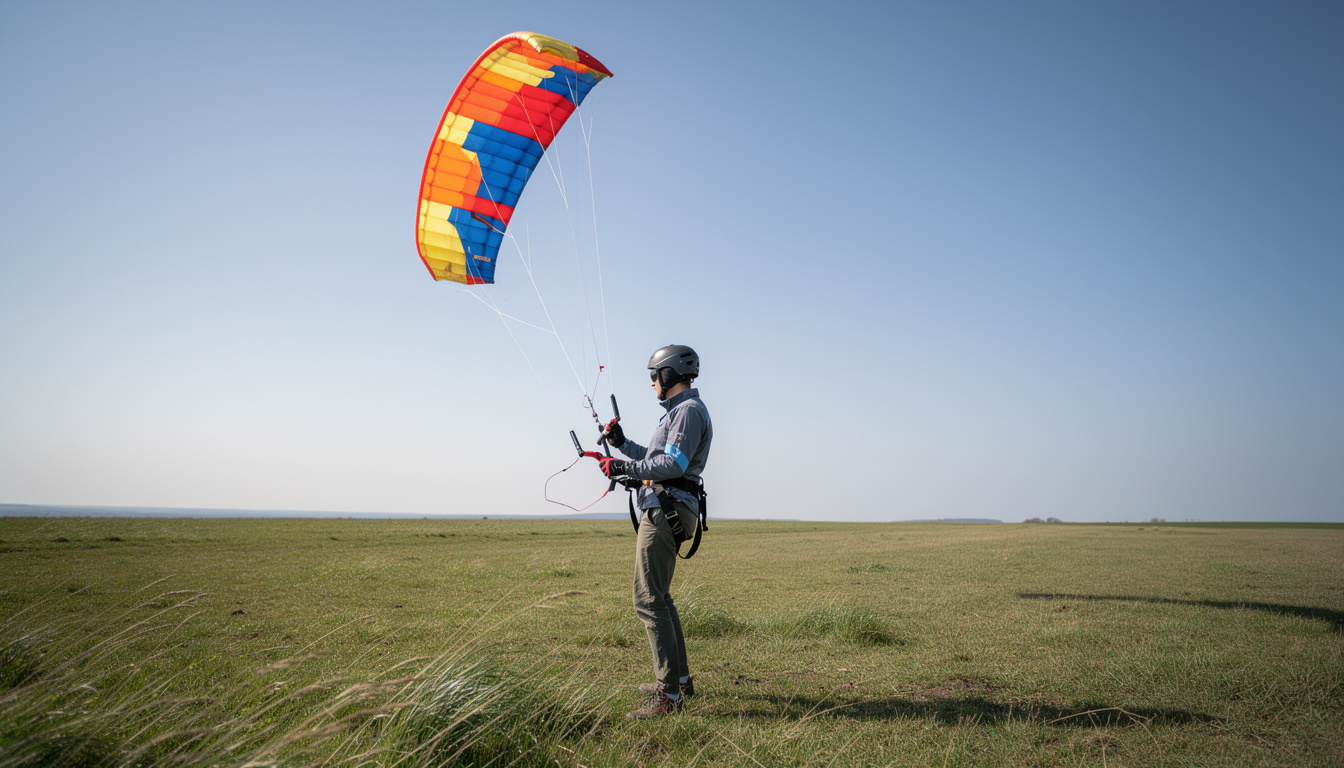
Traction kite types explained: picking the right design for land, snow, or kiteboarding crossover
“Traction kite” is a broad umbrella. Two kites can be the same size on paper and feel completely different in the sky. That’s why focusing on kite types is smarter than chasing brand buzz. Think of it like shoes: running shoes, hiking boots, and skate shoes can all get you from A to B, but you’ll regret the wrong choice fast.
Diamond and delta: simple, stable, confidence-building 🪁
Diamond kites are the old-school entry point: light, stable, easy to understand. Delta kites keep that simplicity but often handle a wider range of breezes. If your main goal is “fly often, learn fast, stay relaxed,” these are strong picks for beginners.
They’re also great when you’re flying in parks where wind can be messy because of trees and buildings. Maya uses a delta on inland days because it doesn’t freak out when the airflow gets weird.
Parafoil traction kites: portable power with a learning curve 🌪️
Parafoils (soft kites) are popular for land traction because they pack down small and don’t need inflatable bladders. They can be tuned to feel smooth, and they’re awesome for buggy or mountainboard sessions—assuming your spot has room and your technique is clean.
They also make sense for travelers. In 2026, more riders are mixing short trips with riding sessions, and a packable kite matters. Just remember: portability doesn’t mean “safe for any beginner.” Power is power.
Inflatable kites and the kiteboarding temptation 🌊
If kiteboarding is your end goal, you’ll see inflatable LEI (leading edge inflatable) kites everywhere. They’re designed for water relaunch and specific performance categories (freeride, wave, big air, foil). But they’re not usually the best first traction kite for land learning unless you have instruction and a good setup spot.
Here’s the practical crossover advice: if you’re unsure, start on land with a stable trainer-style traction kite to build wind-window instincts, then move into proper kiteboarding gear with lessons. Maya did exactly that—she treated land practice as “wind school,” not as a shortcut to skipping coaching.
Quick comparison table for kite selection 📊
| 🧷 Kite type | ✅ Best for | 🎛️ Feel & kite control | ⚠️ Watch-outs |
|---|---|---|---|
| 🪁 Diamond | Beginner flying, parks | Stable, forgiving | Limited traction; not for pulling sports |
| 📐 Delta | Beginner to intermediate, variable breezes | Predictable, good range | Can still pull hard in stronger wind |
| 🧳 Parafoil (soft traction kite) | Buggy, mountainboard, snowkite practice | Responsive, portable | Power spikes if oversteered; needs space |
| 🌀 Stunt/performance | Advanced tricks, precision | Fast, technical | Demands strong kite skills; less forgiving |
Once you know the design family you’re shopping in, the next make-or-break factor is your local wind. And yes, it matters more than your ego.
Wind conditions and safety: matching your spot to the kite (so the day stays fun)
People love talking about gear, but the reality is your wind conditions decide whether a session feels effortless or chaotic. Two riders with the same traction kite can have totally different experiences depending on gustiness, obstacles, temperature gradients, and even the time of day. Kite selection without thinking about your local wind is like buying skis without asking if you’re on ice or powder.
Light wind: don’t overbuy power, optimize efficiency 🍃
In light breezes, beginners often make the opposite mistake: they buy a huge kite hoping to “guarantee” flight. Big kites can help, but they also amplify errors. A better move is choosing an efficient design (often a delta or an appropriate light-wind-oriented trainer) with good lines and clean setup technique.
Maya’s inland park has light morning wind. She learned to wait for smoother airflow rather than forcing it, and she practiced clean launches. That patience gave her better kite control than any oversized purchase could.
Moderate wind: the sweet spot where skills develop fast ✅
Most riders progress fastest in moderate wind because the kite stays pressurized and predictable. Parafoils and many delta-style kites feel alive here without turning into runaway trains. This is where you dial in steering finesse, understand the power zone, and start doing controlled pulls for land traction disciplines.
Strong wind: respect it, or it’ll teach you the hard way 🌬️
In strong wind, the best “upgrade” is often a smaller kite size, not a more aggressive model. Gusts magnify speed, and speed magnifies injury risk. If your area regularly hits high teens mph and above, stability and depower options matter more than raw pull.
Also: avoid flying in stormy or unstable weather. Fast-moving clouds, sudden temperature drops, and chaotic gust fronts can turn a normal session into a sketchy one in minutes.
Safety gear and setup habits that actually matter 🛡️
There’s gear you buy because it looks serious, and gear you buy because it prevents dumb injuries. Safety gear for traction kites is the second category.
- 🧤 Gloves to prevent line burns when things surge
- 🪖 Helmet for land traction (especially buggy or mountainboard)
- 🕶️ Sunglasses or eye protection for sand, glare, and sudden line flicks
- 🧴 Sunscreen because wind hides sun damage
- 👟 Supportive shoes to reduce ankle twists during unexpected pulls
One more habit that counts: choose a wide, obstacle-free area and keep a “downwind buffer.” If you wouldn’t be happy landing there, don’t fly with it downwind of you. That single rule prevents a pile of common beginner mishaps.
Now that wind and safety are handled, the next big lever is sizing—because the same kite type feels totally different at 2 meters versus 5.
Kite size and materials: the practical math behind power, handling, and durability
Kite size isn’t just a number; it’s leverage. Bigger canopy equals more pull, slower turns (sometimes), and a larger “presence” in the sky. Smaller canopy equals quicker handling and typically less force, which is why it’s a common recommendation for learning. The trick is picking a size that fits your wind and your goals, not just your body weight or what someone else rides.
Choosing kite size by skill and typical wind 📏
Maya weighs average and rides in mixed conditions: light inland breezes and stronger coastal wind. She ended up with a two-kite approach over time, but her first purchase had to be versatile. She chose a medium range that let her practice often without getting wrecked in gusts.
| 📏 Kite size range | 🧠 Skill fit | 🌬️ Typical wind range | 🧲 What it feels like |
|---|---|---|---|
| 1–2 m | Beginner | 3–7 mph | Quick, manageable pull ✅ |
| 3–5 m | Beginner → Intermediate | 8–15 mph | Versatile “daily driver” 🛠️ |
| 6 m+ | Advanced | 15+ mph | Serious traction, demands respect ⚠️ |
Those ranges aren’t a rigid law, but they’re a solid starting point for kite selection. If your spot is gusty, size down. If your spot is smooth and light, choose efficiency and technique first, then scale up carefully.
Materials and build quality: where durability comes from 🧵
Kites fail in predictable places: stress points, seams, bridles, and around attachment areas. A cheap sail cloth might look fine out of the bag but tear after a few hard flaps. That’s why ripstop nylon or polyester is a big deal; it’s designed to resist tearing from small punctures and repeated load cycles.
Frames matter more on framed designs (like many diamonds/deltas). Fiberglass is common and forgiving; carbon fiber is lighter and stiffer but often pricier. The point isn’t to chase the fanciest spec—it’s to avoid brittle plastics that snap when the kite nose-plants.
Little details that make a kite last (and fly better) 🔧
- 🧷 Reinforced corners and leading edges for crash resistance
- 🪢 Quality bridles that don’t stretch unevenly over time
- 🧵 Clean stitching with consistent seam work
- 🎒 A decent bag so lines don’t turn into spaghetti in your car
Get these right, and your kite feels consistent session after session—which is the real secret to improving kite skills. Next up: money and accessories, because “cheap” can get expensive fast.
Budget, accessories, and smart kite selection for 2026: spend where it counts
Let’s talk money without making it awkward. Traction kites range from bargain-bin fun to premium tools that feel like sports equipment. The best approach in 2026 is to define your use case: casual flying a few times a year, weekly practice for land traction, or a stepping-stone toward kiteboarding. Your budget should follow that plan.
Realistic price tiers (and what you actually get) 💰
Entry-level options can still be enjoyable, but the risk is inconsistent stitching, low-quality lines, and sails that stretch or tear. Mid-range tends to be the sweet spot for most people because you get better materials and more predictable handling. High-end models cost more because they refine stability, response, and longevity—and sometimes because the brand is positioned for serious riders.
| 💳 Tier | 💵 Typical price | 🎯 Best for | ✅ What to expect |
|---|---|---|---|
| 🪙 Budget | $20–$50 | Absolute beginners, casual flying | Basic fun, variable quality ⚠️ |
| 🏷️ Mid-range | $50–$100 | Beginner to intermediate traction practice | Better durability, cleaner control ✅ |
| 🏆 High-end | $150+ | Advanced flyers, performance-focused | Refined handling, stronger materials 🚀 |
Accessories that quietly make or break your sessions 🧰
A traction kite without decent lines is like a guitar with out-of-tune strings. Lines affect response, safety, and how much feedback you feel in your hands. The same goes for storage and protective items.
- 🧵 Quality kite lines (correct length and strength for your kite)
- 🧲 Handles or bar that feel comfortable for longer sessions
- 🎒 Storage bag to protect the sail and keep bridles tidy
- 🛡️ Safety gear (helmet, gloves, eye protection) for traction disciplines
- 📱 Wind app habit: check gusts, not just average wind
A simple buying checklist Maya uses before clicking “Buy” 📝
- Confirm my most common wind conditions (average and gusts).
- Pick among kite types based on where I’ll ride (park vs beach vs snow).
- Choose conservative kite size for my skill level.
- Make sure I can get replacement lines/parts.
- Budget for accessories so I’m not “ready” on paper only.
The final insight: the smartest kite selection is the one that gets you outside more often. Consistency beats bragging rights every time.
What traction kite is best for beginners who want to learn safely?
Look for beginner kites that prioritize stability and predictable pull, such as diamond or delta designs, or small trainer-style traction kites. They help you develop kite control and wind-window awareness without overwhelming power, especially in gusty wind conditions.
How do I choose the right kite size for my local wind conditions?
Start with your typical wind range (including gusts), then pick a conservative kite size for your current kite skills. Smaller sizes (about 1–2 m) are easier to manage in light winds for learning, medium (3–5 m) often suits moderate breezes for most beginners, and large (6 m+) is usually for advanced riders and stronger winds.
Are expensive traction kites worth it, or should I start cheap?
Higher-end kites usually deliver better materials, cleaner handling, and longer life, but they make the most sense once you’re flying often or pushing performance. Many people get the best value in mid-range models where durability and control improve noticeably without paying for top-tier specialization.
What safety gear should I consider for land traction and kiteboarding crossover training?
For land traction, prioritize gloves (line burn protection), a helmet, supportive footwear, and eye protection. Add sunscreen for long sessions. If you’re using land practice as a step toward kiteboarding, treat it as skill-building and still get proper lessons before moving to water-specific inflatable kites and harness systems.