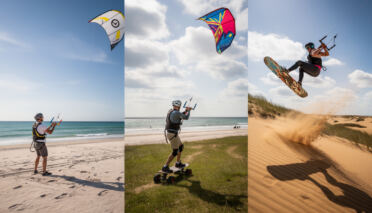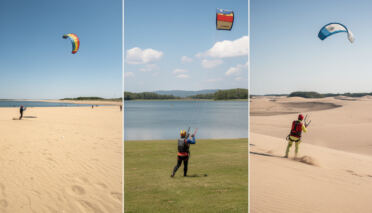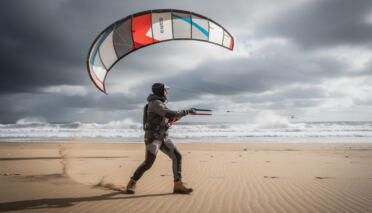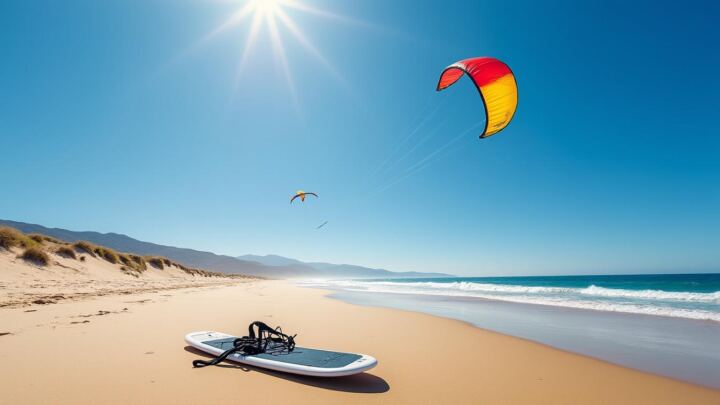
Traction kiting is an exhilarating sport that captures the energy of wind through specially designed kites, propelling riders on land or water. Whether you’re soaring down a beach while kiteboarding or navigating through rocky terrains on a mountainboard, the thrill is undeniable. However, before you can enjoy all that this fantastic sport has to offer, understanding how much space you really need to kick off safely is critical. With the rising interest in 2025, passionate kite enthusiasts are popping up, eager to learn the ropes while keeping safety a priority.
In this pursuit, the size of the area you choose for practice can make a massive difference – not just in enjoying the sport but also in preventing accidents. Understanding wind behavior, assessing environmental hazards, and preparing your gear are fundamental to ensuring a fun-filled adventure without any nasty surprises. This article unpacks the various elements involved in creating a safe and suitable environment for beginners looking to dive into the world of traction kiting.
- Prioritize large open spaces free of obstacles.
- Know the wind conditions before launching your kite.
- Choose locations that have ample distance between you and others.
- Understand local regulations regarding the use of kites.
Understanding the Wind Window for Traction Kiting
Before you can even think about launching your kite, you need to grasp the concept of the wine window. This area represents the space in which your traction kite can maneuver effectively while harnessing wind power. The wind window is split into three zones: the edges, the center, and the zenith. When your kite flies in the center, particularly at the lowest point, it generates maximum lift and pull. Conversely, the edges produce significantly less power.
The Importance of Launch Zones
Your goal should be to understand how to utilize the complete wind window for maximum performance and safety. Starting from the edge of the window is recommended for beginners. Here’s why:
- Less pull at the edges lets you control the kite.
- The side winds offer a more gradual introduction to handling power.
- You can gauge your kite’s responsiveness without feeling overwhelmed.
By understanding these zones, you can correctly send your kite from the low-angle side of the wind window upward, allowing for a safe yet exciting ride. If you’re just beginning in 2025, this foundational knowledge could mean the difference between an exciting experience and an unsafe one.
| Zone | Power Level | Best for |
|---|---|---|
| Edge of the window | Low | Beginners and control practice |
| Center of the window | Medium | Intermediate handling |
| Zenith | High | Experienced users seeking excitement |

Choosing an Ideal Location for Traction Kiting
The essence of safe traction kiting starts with selecting a suitable location. You’ll want to find an area that offers not only space but also a clear environment free from obstructions. Here are some tips for picking the perfect spot:
Factors to Consider
- Open Space: Look for fields, beaches, or parks where you won’t run into trees, buildings, or power lines.** 🌳
- Distance from Crowds: Always maintain a minimum of 100 meters downwind from where other kite riders or pedestrians might congregate.** 🚶♀️
- Wind Consistency: Check wind forecasts and local wind patterns; choose spots known for steady, reliable winds.** 📉
- Important Regulations: Familiarize yourself with any local laws about traction kiting and ensure you’re in compliance.** 📄
Many enthusiasts frecuently practice along coastlines thanks to the expansive area available, but that doesn’t mean inland locations aren’t suitable. A clear-cut area away from trees and buildings can also be an excellent choice. Just make sure those around you give you space.
| Location Type | Pros | Cons |
|---|---|---|
| Beaches | Ample space, consistent winds | Crowded during peak hours |
| Parks | Open areas, easy access | Possible limitations on kiting |
| Fields | Large and minimal obstructions | May require permission from landowners |

Setting Up for Optimal Safety
Your preparation isn’t complete until you master the setup of your traction kite. An improper setup can compromise not just your performance but also safety standards. Here’s how to do it right:
Setup Steps to Follow
- Unpack Your Kite: Ensure the kite is unfurled with the underside facing up.** 🛏️
- Attach the Lines: Connect the appropriate lines to either end of the kite to ensure smooth operation.** 🔗
- Wind Test: Make sure the lines are free of tangles by performing a gentle pull on your kite.** 🥵
- Tension the Backlines: Keep consistent tension on the backlines for better control upon take-off.** 🎯
Once you’ve fenced off an area and set up, make sure the take-off zone aligns well with the wind direction. Keeping your body at a 45-degree angle to the wind for optimal lift is beneficial.
| Step | Action | Note |
|---|---|---|
| 1 | Unpack Your Kite | Work in a clear space |
| 2 | Attach the Lines | Double-check for tangles |
| 3 | Wind Test | Be cautious of sudden winds |
Regulating Your Power Levels While Kiting
One key aspect of traction kiting is learning to control power levels. If you’re a newbie, managing the pull is essential, especially in windy conditions. Understanding how to adjust your kite can lead to a safer, more enjoyable experience.
Practical Tips for Learning Power Adjustment
- Start Small: Use smaller kites for initial attempts; they provide less power.** 🪁
- Learn Depower Features: If using a depowerable kite, understand how the control bar works for lowering or increasing power.** 📏
- Practice Emergency Procedures: Familiarizing yourself with how to safely land or kill the power of your kite will enhance your safety levels.** 🚨
As you grow confident, work your way up to larger kites once you are fully equipped with the necessary skills to manage greater power. Always remember that while the amount of power generated increases with larger kites, safety must always be your foremost priority. In 2025 with constantly evolving technology, equipment sophistication has also increased, allowing enhanced control systems for all kinds of kites.
| Kite Size (m) | Power Level | Tips |
|---|---|---|
| 2-3m | Minimal | Great for beginners |
| 4-6m | Moderate | Best for intermediate riders |
| 7+m | High | Requires ample space and experience |
What is traction kiting?
Traction kiting involves using a specially designed kite to harness wind energy for pulling riders on land, snow or water. It’s an exhilarating sport popular since the 1990s, with new advancements in equipment and techniques.
How much space do I need to practice safely?
A minimum of 100-200 meters in all directions from obstacles and people is recommended for safe traction kiting.
Can I use any kite for traction kiting?
No, not all kites are made for traction kiting. It’s essential to choose power kites specifically designed for pulling purposes, like those from brands like Ozone or Peter Lynn.
What gear do I need for traction kiting?
Basic gear includes a suitable traction kite, control handles or bars, safety harness, and safety equipment like a helmet. Depending on your activity, you may also require a board or buggy.
Is traction kiting safe for beginners?
Yes, but it requires proper education and safety measures. Understanding how to set up your kite, the interaction of wind, and having enough space is vital for new kite flyers.